About
Naturally better.
A new generation of beverages — real fruit and carefully selected superfoods, cold-pressed in Singapore. Inspired by nature, elevated by modern living.
Lalaland began with a question.
Can a beverage be genuinely delicious while remaining naturally nourishing?
For over thirteen years, founder Lawrence and his team dedicated themselves to the beverage industry, constantly exploring what people truly want from the drinks they reach for every day.
Beginning in September 2013, that journey spanned traditional tea beverages, changing consumer habits, and the rapid evolution of the industry. Along the way, one conviction became increasingly clear: the future of beverages would not be defined by more sugar, more flavours, or more stimulation — it would be defined by better ingredients, better nutrition, and better choices.
In 2025, that belief became Lalaland — Naturally Better.
Founded in Singapore, Lalaland was created to redefine everyday beverages through nature. By combining carefully selected superfoods, real fruits, and clean-label recipes, we create drinks that are simple, honest, and made for modern living.
We are not here to build another tea brand. We are building a new generation of beverages — where every bottle delivers natural nutrition, everyday enjoyment, and a healthier way to live.
Because we believe the future isn’t about drinking more. It’s about drinking better.
Naturally better ingredients

Kale
Your greens, made drinkable — a cold, clean reset that leaves you light, clear and ready.
Pressed into our Green Reset.

Beetroot
Drink your skincare — a deep-red glow from within, plus the clean, natural energy athletes train on.
Pressed into our Model Glow.

Turmeric
The golden one — bright and warming, and famously good to your skin.
Pressed into our Turmeric Glow.

Ginger
The wake-up shot — a clean, fiery kick and real get-up-and-go, no caffeine crash.
Pressed into our Ginger Shot.
Sweetness, the way nature makes it
We celebrate natural sugars — the kind that comes from fruit, not from factory-made syrups. We source from nature, not factories; from orchards, not production lines.
By letting fruit speak for itself, we create drinks that are naturally satisfying — great taste, without the burden of artificial sweetness or unnecessary additives.
Our mission
To redefine everyday beverages through superfoods, whole ingredients and purposeful nutrition.
Designed for modern living
Today’s consumers are more informed than ever. They read labels, they care about ingredients, they seek balance instead of extremes. Lalaland exists for people who believe wellness isn’t about perfection — it’s about making better choices, one cup at a time.
Whether it’s a busy morning, an afternoon reset or a post-workout recovery, we create drinks that naturally become part of a healthier lifestyle.
Our philosophy
We don't chase trends. We build products with long-term value.
We don't compete on being the cheapest. We compete on being the brand people trust.
Because the future belongs to brands that improve people’s lives, not simply capture their attention.
Our vision
To become Singapore’s leading superfood beverage brand, inspiring a healthier generation through honest ingredients, thoughtful innovation and exceptional experiences.
Every bottle is a reminder that the best things in life don’t need to be invented. Sometimes, they simply need to return to nature.

Naturally better, always.
The best things were never invented — they grew. Every bottle is real fruit and superfoods, cold-pressed here in Singapore. No syrups, no powders, nothing you can't pronounce.
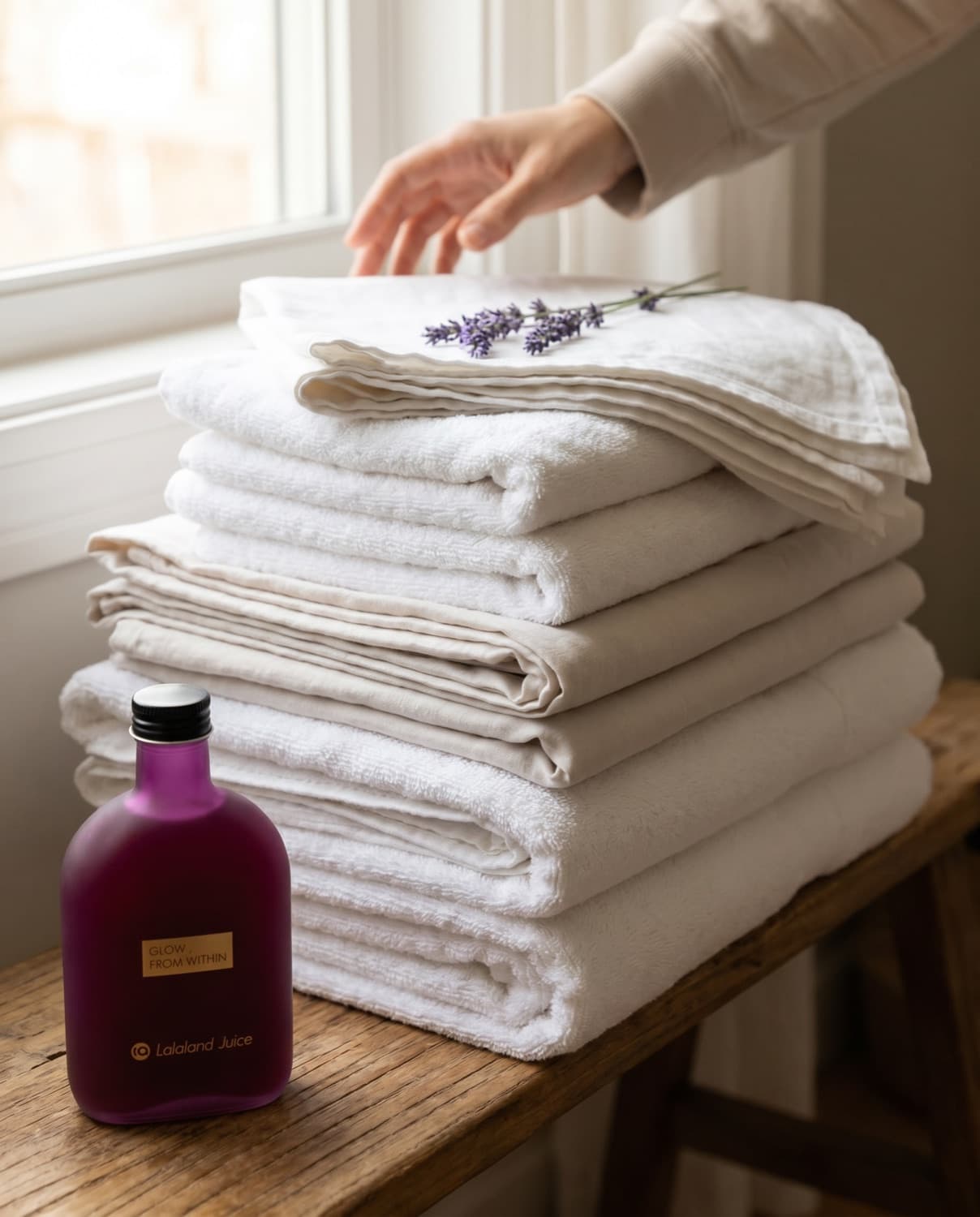
Honest, inside and out.
Clean-label, with nothing to hide — what's on the label is what's in the bottle. Real ingredients, no additives, no fine print. Just juice you can trust.
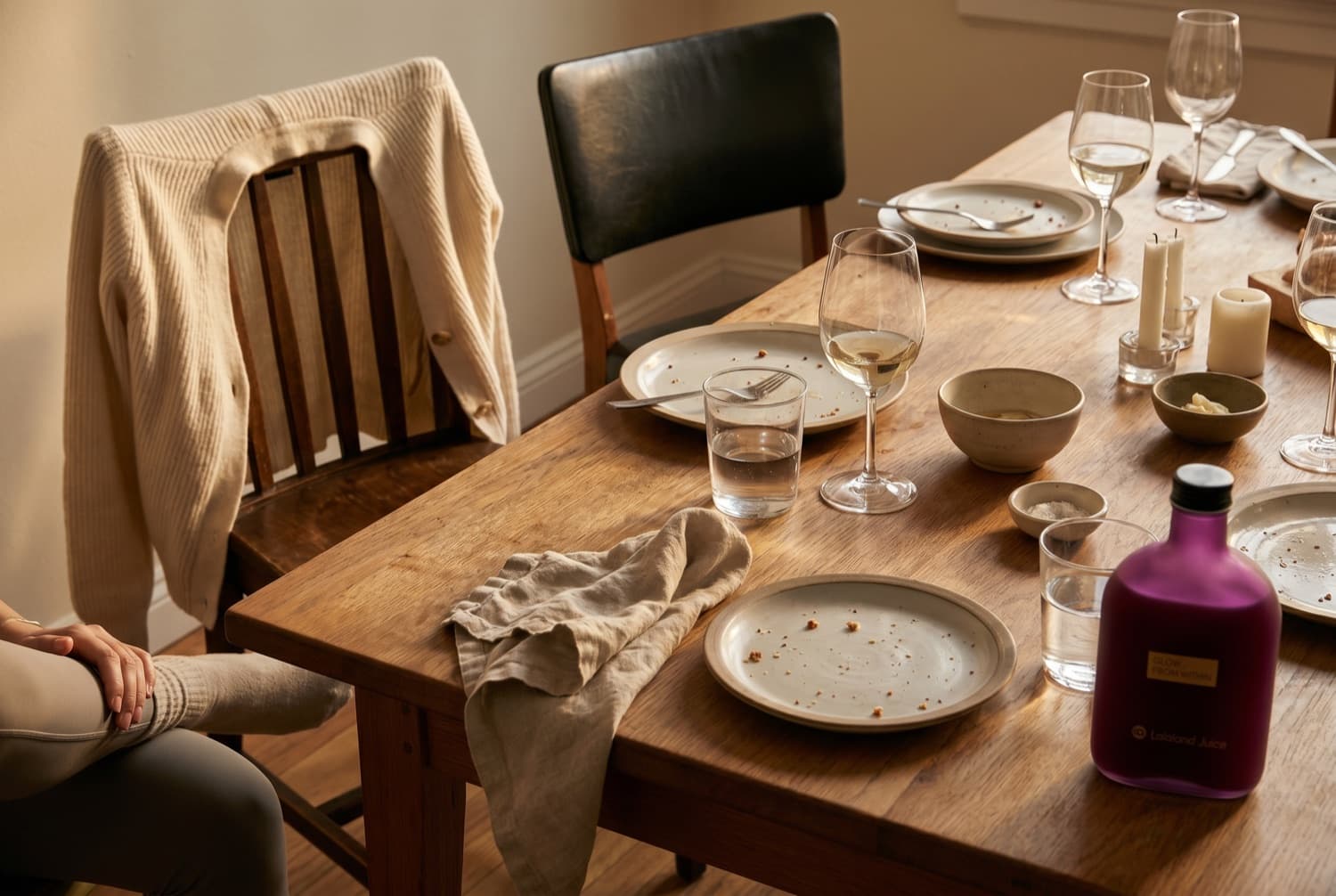
The middle way.
Yes, there's natural fruit sugar in every bottle — on purpose. A cold, sweet glass among friends beats a joyless diet alone. Feeling good is allowed to taste good.
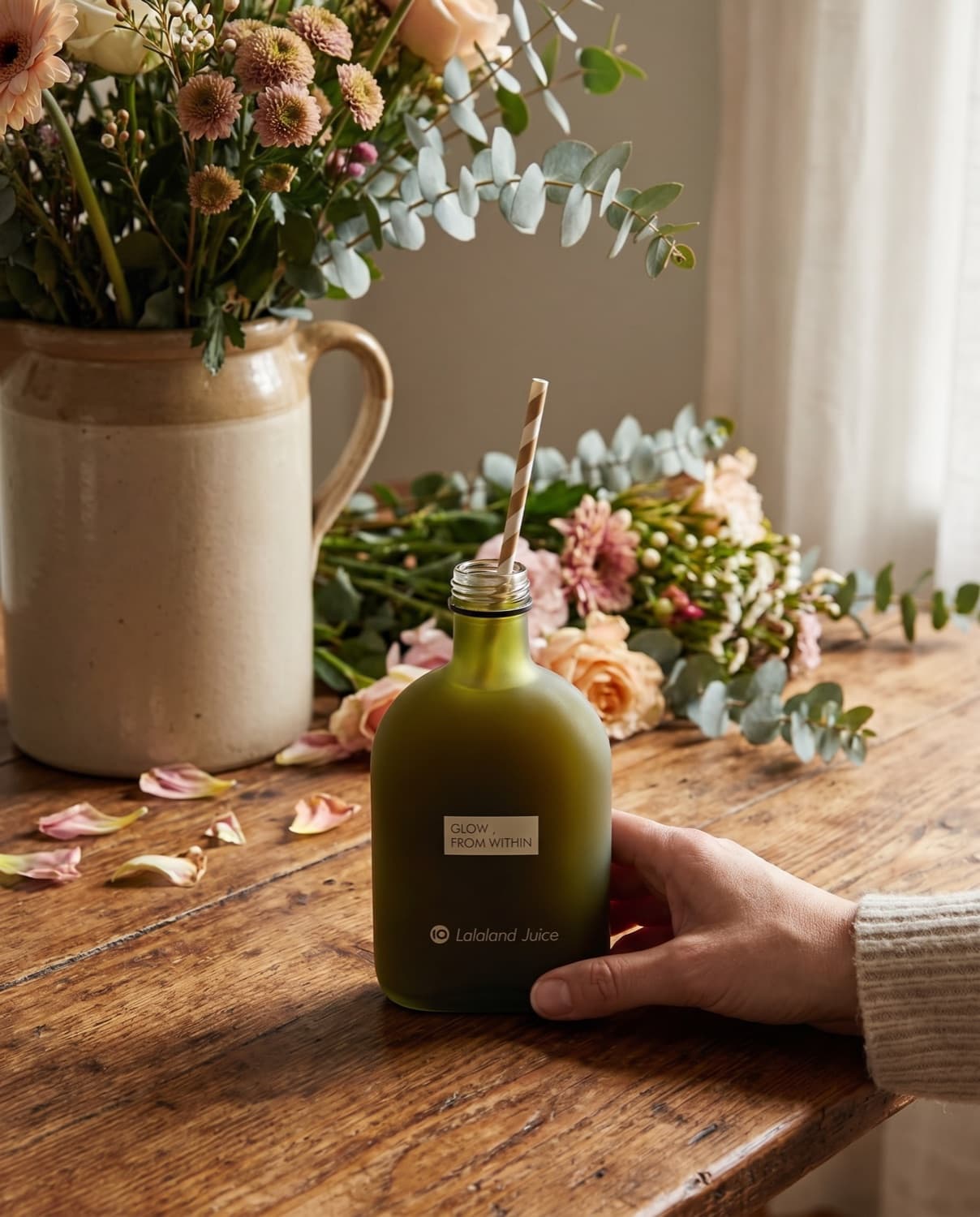
Permission, not promises.
No detox talk, no miracle words. We tell you what's in the bottle (real fruit, cold-pressed, nothing added), what it's known for, and how it feels. Your body draws its own conclusions.
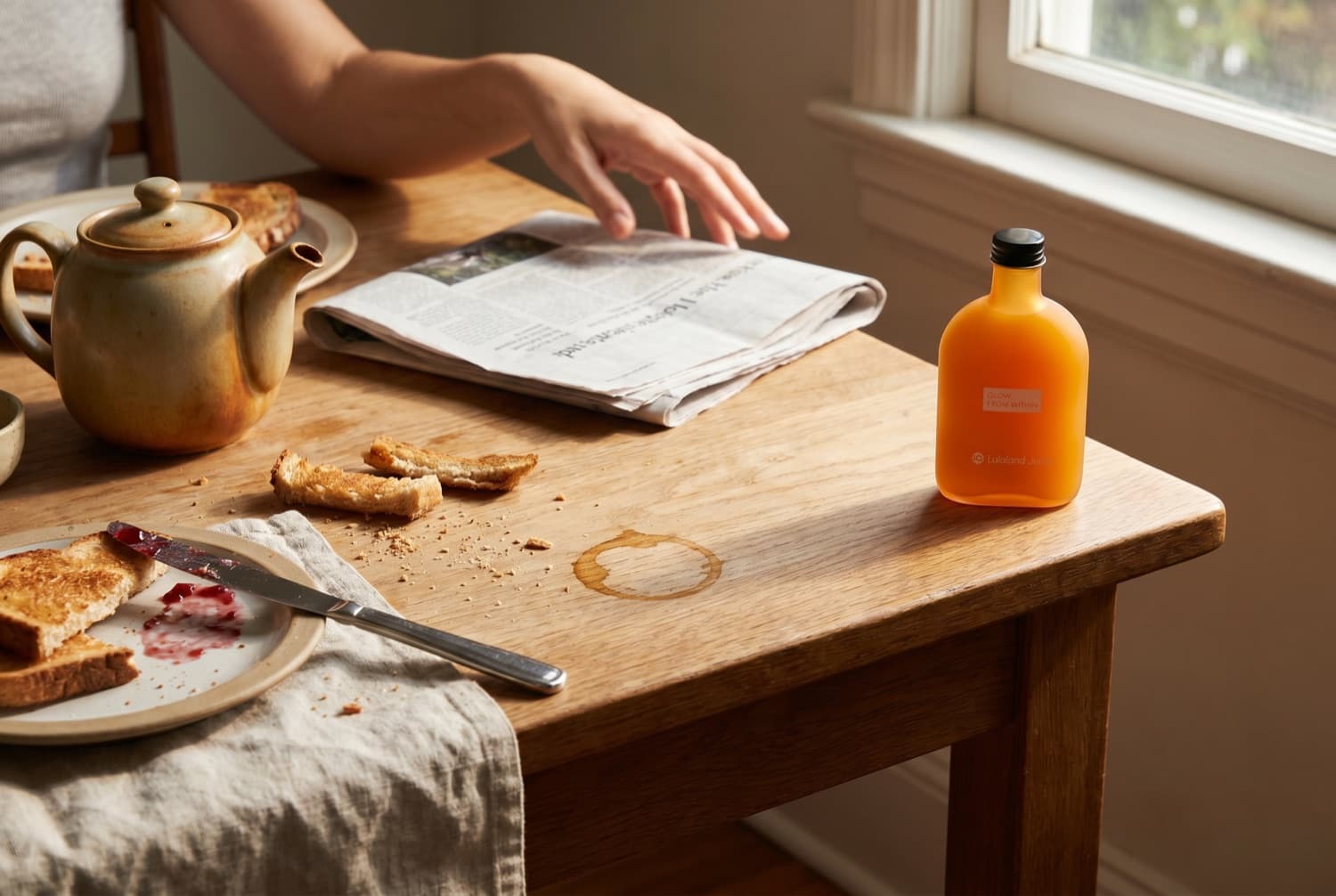
Elevated by modern living.
Made for busy mornings, afternoon resets and post-workout recovery — natural nutrition that keeps up with a full, modern life, delivered fresh to your door across Singapore.